10680 Jones Rd, Ste 800, Houston, TX 77065

Being told a tooth needs a root canal can feel alarming, but modern endodontic care is focused on relief, preservation, and comfort. A root canal is designed to remove damaged or infected tissue from inside a tooth so the remaining structure can be saved and restored. For many people, this treatment ends the pain of an infected tooth while keeping their natural smile intact.
At the office of Janus Dentistry, we combine up-to-date techniques with a gentle, patient-centered approach to make the process as straightforward and comfortable as possible. Our goal is to preserve your oral function and appearance while minimizing anxiety and downtime.
Choosing to save a tooth is often the healthiest long-term option. When a tooth is retained and properly restored after root canal therapy, it maintains the bite balance and chewing efficiency that help protect neighboring teeth and jaw joints. Preserving a natural tooth can also prevent the bone loss that sometimes follows extraction, which supports better oral health over time.
Advances in instrumentation and materials have steadily improved the predictability of root canal treatment. While no dental procedure is without risks, modern techniques yield outcomes that allow many patients to keep treated teeth for decades. That continuity of function and appearance is a major reason clinicians recommend root canal therapy when the inner tissues of a tooth have been compromised.
Root canal treatment is often the alternative to extraction when enough tooth structure and supporting bone remain. By removing the source of infection and sealing the internal channels of the tooth, the procedure addresses the immediate problem and lays the groundwork for a durable restoration that restores strength and function.

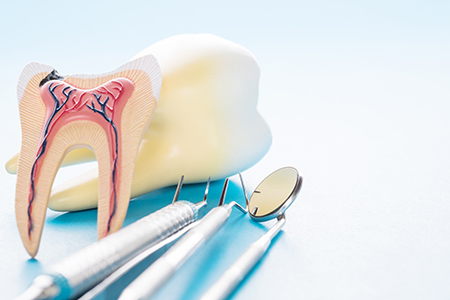
Each tooth has an inner chamber that houses the dental pulp — a combination of connective tissue, nerves, and blood vessels that help the tooth develop and signal pain when something goes wrong. When decay progresses deep into a tooth or when trauma disrupts the blood and nerve supply, the pulp can become inflamed, infected, or non-vital. Once the pulp can no longer heal on its own, root canal therapy becomes a conservative option to remove the diseased tissue.
Symptoms that point to internal tooth problems range from persistent, unexplained pain to heightened sensitivity with hot or cold foods. Some patients notice discomfort when biting, others develop a darkening of the tooth after an injury, and in certain instances a swelling or tender gum area appears as the body attempts to manage an infection. In other cases, early problems are detected on X-rays during routine exams before severe symptoms begin.
Prompt evaluation is important because the extent and duration of infection affect both treatment complexity and prognosis. With timely care, many teeth that would otherwise be lost can be cleaned, sealed, and rebuilt so patients regain comfort and function without the need for extraction.

Addressing problems inside a tooth early often reduces the number of visits needed and simplifies the treatment plan. Teeth that are treated before infection spreads to surrounding bone generally heal more predictably and require fewer follow-up interventions. Conversely, delaying care can allow infection to progress, increasing the risk of more extensive symptoms and more complex treatment.
When a dentist identifies internal changes on a radiograph or notes symptoms during an exam, they will discuss the findings and outline the best options for your situation. Root canal therapy is intended to remove the source of infection while conserving as much of the natural tooth as possible, and timely decisions typically produce the most favorable long-term results.
Even when a tooth is not yet causing noticeable pain, a clinician may recommend prompt treatment based on diagnostic evidence. Early intervention protects the surrounding tissues, reduces the chance of recurrent problems, and supports a more efficient restoration process afterward.
Modern root canal treatment is performed with the goal of patient comfort and clinical precision. The tooth is numbed with local anesthesia so you will not feel pain during the procedure. Depending on the tooth’s anatomy and the presence of infection, treatment may be completed in a single visit or may require two or more appointments to ensure thorough cleaning and proper healing.
During the procedure the dentist gains access to the internal chamber, removes the diseased pulp, and cleans and shapes the canal system with specialized instruments. The canals are then filled with a biocompatible material to seal them from future bacterial invasion. A temporary filling is often placed until a permanent restoration — most commonly a crown — can be installed to protect and strengthen the tooth.
For patients with dental anxiety or special needs, options for relaxation or sedation can be discussed. Careful communication before and during the appointment helps our team personalize the experience so you feel informed and supported every step of the way.
After treatment it is normal to experience some tenderness or mild soreness as surrounding tissues calm and heal. Any discomfort is usually manageable with over-the-counter pain relievers and subsides over several days. It’s important to protect the treated tooth from chewing forces until a permanent crown or other definitive restoration is placed, since a recently treated tooth can be more prone to fracture.
If antibiotics are prescribed to address an active infection, follow the directions and complete the course. Maintain careful oral hygiene around the treated tooth and keep routine dental visits so your clinician can confirm healing and progress. With appropriate restoration and regular care, a treated tooth can function effectively for many years.
Should you notice persistent pain, swelling, or any signs of recurring infection after treatment, contact our office promptly for evaluation. Early attention to post-treatment concerns helps ensure the best possible outcome and preserves oral health.
Summary — Root canal therapy is a proven way to relieve pain, eradicate infection, and preserve your natural tooth when the inside tissues have been compromised. If you have symptoms that suggest an internal tooth problem, or if a routine exam identifies a concern, prompt evaluation and treatment improve the chances of a lasting recovery. Please contact us if you would like more information or to schedule an evaluation.
A root canal is a dental procedure that removes damaged or infected pulp from inside a tooth to preserve the remaining structure and end pain. The pulp contains nerves and blood vessels that can become inflamed from deep decay or trauma, causing severe discomfort and risking spread of infection. Root canal therapy cleans, shapes and seals the internal chamber to stop infection and restore oral health.
After the canals are sealed, the tooth is typically restored with a permanent filling or a crown to protect it from fracture and restore chewing function. This approach allows many patients to keep their natural tooth rather than replacing it with an implant or bridge. Preserving a natural tooth helps maintain bite balance and prevents bone loss that can follow extraction.
Common signs that a tooth may need root canal treatment include persistent or severe toothache, prolonged sensitivity to hot or cold, and pain when biting or chewing. You may also notice swelling of the gums, tenderness to touch, or a darkening of the affected tooth after trauma. In some cases, no pain is present and problems are first detected on X-rays during a routine exam.
A dentist combines a clinical exam, patient history and diagnostic imaging to determine whether the pulp is inflamed, infected or nonvital. Early evaluation improves the chance of saving the tooth and often simplifies the treatment required. If you experience symptoms or your dentist identifies concerning changes, prompt assessment helps protect surrounding teeth and bone.
Root canal treatment begins with local anesthesia to numb the area, followed by access into the tooth to remove the diseased pulp tissue and disinfect the canal system. Specialized instruments are used to clean and shape the canals before they are filled with a biocompatible material to seal the space. A temporary filling is often placed until a definitive restoration can be completed.
Some teeth can be treated in a single visit while others require two or more appointments when infection or complex anatomy is present. Dentists may offer nitrous oxide or other sedation options for patients with dental anxiety, and digital imaging helps guide precise treatment. A permanent crown or onlay is commonly recommended afterward to protect the tooth and restore long-term function.
Modern root canal procedures are designed to be comfortable, and local anesthesia keeps you from feeling pain during the treatment. You may experience mild soreness or tenderness for a few days as the surrounding tissues heal, which is usually controlled with over-the-counter pain relievers. More significant discomfort is uncommon, but patients should contact their dentist if pain worsens or swelling develops.
When active infection is present, your dentist may prescribe antibiotics as an adjunct to the procedure to help reduce inflammation and allow healing. Careful post-operative instructions and a protective restoration help minimize the risk of complications and speed recovery. If you have concerns about managing pain, discuss them with your clinician before the appointment so the team can tailor the approach to your needs.
To prepare for a root canal appointment, bring an up-to-date list of medications and inform the dental team about medical conditions, allergies and any recent health changes. If you take blood thinners or have a history of infective endocarditis, your dentist will advise appropriate precautions before treatment. Have a light meal beforehand unless your dentist instructs otherwise and arrange transportation if you will receive sedation.
Communicate any dental anxiety or special needs so the team can offer relaxation measures such as nitrous oxide or scheduling adjustments. Good oral hygiene leading up to the appointment supports a cleaner working field and can aid recovery. Clear communication about expectations and concerns helps ensure a smoother, more comfortable experience.
After a root canal you should expect some tenderness around the treated tooth for several days as tissues recover, and biting directly on the tooth should be avoided until a permanent restoration is placed. Use recommended analgesics and follow home care instructions to reduce discomfort and support healing. Maintain gentle but thorough oral hygiene to keep the area clean without disturbing the temporary filling.
A permanent crown or onlay is typically placed within a few weeks to restore strength and prevent fracture of the treated tooth. Regular dental checkups and X-rays allow your dentist to monitor healing and the integrity of the restoration over time. If you experience persistent pain, swelling or a return of symptoms, contact the office promptly for re-evaluation.
With proper endodontic treatment and a well-fitted restoration, many root canal-treated teeth last for decades and continue to function like natural teeth. Longevity depends on factors such as the extent of preexisting damage, quality of the restoration, oral hygiene and overall dental health. Teeth that are weakened by decay or fracture may require additional protective measures such as posts, cores or full-coverage crowns.
Regular dental visits and preventive care reduce the risk of recurrent decay and detect problems early, supporting long-term success. Even when retreatment becomes necessary, modern endodontic techniques can often resolve persistent issues and prolong the life of the tooth. Discuss realistic expectations with your dentist so you understand the steps to protect a treated tooth for years to come.
The primary alternatives to root canal therapy are extraction followed by replacement with a dental implant, bridge or removable partial denture. Extraction removes the source of infection but also sacrifices the natural tooth and may lead to changes in bite and supporting bone over time. Replacement options restore function and appearance but involve separate procedures and ongoing maintenance considerations.
Conserving a natural tooth with root canal therapy is often preferred when feasible because it preserves tooth structure and maintains jawbone support. When insufficient tooth structure or severe bone loss makes preservation impractical, your dentist will review replacement strategies tailored to your needs. A careful evaluation of the tooth and surrounding tissues helps determine which option offers the best long-term outcome.
Root canal treatment can fail for several reasons, including persistent or reintroduced infection, undetected additional canals, fracture of the tooth or an inadequate restoration that allows bacterial leakage. Signs of failure include recurring pain, swelling, a draining sinus tract or radiographic evidence of persistent infection. Timely diagnostic imaging and clinical assessment guide the next steps when problems arise.
Possible corrective options include nonsurgical retreatment, apical surgery (endodontic surgery) to address the root tip, or extraction followed by replacement if retreatment is unlikely to succeed. Your dentist or an endodontic specialist will discuss the benefits and limitations of each approach based on diagnostic findings. Early recognition of symptoms and prompt intervention improve the likelihood of a successful resolution.
At Janus Dentistry in Houston, Texas, we use contemporary endodontic techniques, digital imaging and strict infection-control protocols to deliver precise, predictable root canal care. Local anesthesia and optional sedation are offered to prioritize patient comfort, and our treatment plans emphasize conserving natural tooth structure whenever possible. Clear communication before, during and after treatment helps patients know what to expect and supports a positive recovery.
Our team coordinates any necessary restorative work, such as crowns, to ensure the treated tooth is protected for long-term function and esthetics. We encourage routine follow-up visits to monitor healing and address concerns early, and we work with patients to tailor care to individual medical histories and treatment goals. If you have questions about root canal therapy or would like to schedule an evaluation, contact our office to speak with a member of the team.