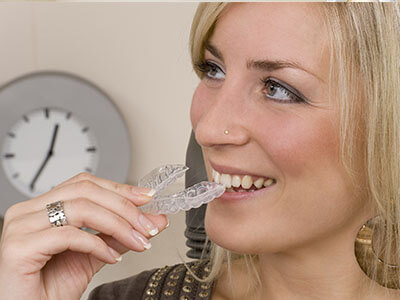
Schedule a focused consultation
Begin with a thorough evaluation so your clinician can assess alignment needs, bite relationships, and overall oral health. This visit sets the foundation for any clear aligner plan.

Invisalign® offers a modern, subtle approach to straightening teeth that fits into busy lives. Using a sequence of bespoke clear aligners, the system moves teeth in small, planned increments so treatment is predictable and discreet. Many people choose this option because it blends clinical precision with everyday convenience — aligners are nearly invisible, removable for short periods, and designed to be comfortable enough for long-term wear.
Because aligners are clear and fit closely to the teeth, most people notice only subtle changes in appearance during treatment. The system is planned using digital imaging that lets clinicians map each stage of tooth movement in advance, so every aligner in the series has a precise role to play. For anyone considering orthodontic work with a low-profile aesthetic, this combination of technology and design is an appealing option.
At the heart of clear aligner therapy is a sequence-driven approach: a digital plan translates clinical goals into a set of progressive aligners. Each aligner is fabricated to apply gentle, targeted pressure on specific teeth, producing controlled movement over a short wear period before you switch to the next tray. This incremental method allows the clinician to manage complex motions while reducing the need for continuous adjustments.
Modern treatment begins with a three-dimensional scan or impression, which is used to create a virtual model of your teeth. Advanced software simulates the anticipated path of movement and helps the clinician verify that the plan addresses bite relationships, rotations, and spacing issues. That simulation can also be a useful communication tool — you can see the projected improvement before treatment begins.
Because the aligners are removable, maintaining oral hygiene is simpler than with fixed appliances. You can brush, floss, and continue your regular dental routine without working around brackets and wires. The ability to remove aligners briefly for special events or meals adds flexibility, but consistent wear is still essential to achieve the planned results on schedule.
The first step in a clear aligner pathway is an in-office evaluation to determine treatment goals and suitability. During that consultation, your clinician reviews your dental and medical history, examines your bite and tooth alignment, and discusses realistic expectations. If clear aligners are appropriate, the next step is a digital scan or precise impressions to capture the current state of your mouth.
With the digital model, your clinician develops a tailored sequence of aligners and a timeline for progress checks. Many modern systems include a preview of the treatment outcome so you can view a simulation of expected changes. Appointments are generally brief and scheduled at intervals to monitor progress, make any necessary refinements, and ensure comfort and fit throughout the process.
Receiving and starting your aligners is straightforward. You’ll typically be given the first set during an appointment where the clinician confirms the fit and demonstrates insertion, removal, and daily care. Follow-up visits are used to assess tooth movement and exchange guidance on next steps, with occasional refinements to maintain alignment precision as the treatment advances.
Clear aligner systems are versatile and can address a wide range of alignment concerns, from mild spacing and crowding to certain bite irregularities. They work well for adults and carefully selected teens when patient compliance can be reasonably expected. For specific movements — such as small rotations or modest vertical corrections — aligners offer fine control when used with auxiliary features like attachments and optimized force sequencing.
Attachments are small tooth-colored shapes bonded to particular teeth to increase the aligner’s grip and create more predictable force application for complex movements. When combined with precise digital planning, these features allow the clinician to handle multi-dimensional corrections with a high degree of accuracy. The result is an evidence-based approach that focuses on predictable outcomes rather than guesswork.
It’s important to remember that not every case follows the same timeline or complexity. During your initial evaluation, the clinician will outline the scope of what can be achieved with clear aligners and recommend any complementary treatments if needed to meet your overall goals. Clear communication about expectations and milestones helps keep treatment efficient and effective.
Success with removable aligners depends on consistent wear and sensible maintenance. Most clinicians recommend wearing aligners for the majority of each day, removing them only for eating and oral hygiene. Because aligners are designed to fit snugly, they should feel comfortable while delivering the necessary force to guide tooth movement — occasional pressure for the first day or two after switching aligners is normal.
Cleaning aligners is simple: rinse them after removal and brush them gently with a soft toothbrush; avoid hot water or abrasive cleaners that can warp the plastic. Maintaining a disciplined routine for insertion, removal, and cleaning protects both the aligners and your natural teeth. Regular dental checkups and cleanings remain important throughout treatment to support oral health and monitor progress.
If an aligner becomes lost or damaged, contact your clinician promptly for guidance. In many cases, you may be advised to move to the next tray or wear the previous one until a replacement is available — the clinician will recommend the safest path to keep your plan on track. These practical steps help avoid interruptions and safeguard the overall sequence of movement.
Quality outcomes depend on both the aligner system and the clinician’s expertise. An experienced provider applies comprehensive diagnostic steps and thoughtful treatment planning to maximize predictability. Look for an office that prioritizes clear communication about objectives, realistic timelines, and what to expect at every stage — this transparency helps patients stay engaged and informed throughout the process.
At Janus Dentistry, our team combines up-to-date digital tools with attentive clinical oversight to tailor aligner care to each patient’s needs. We emphasize precise planning, careful monitoring, and a supportive environment so that patients feel confident from the initial consultation through completion. Our goal is to deliver results that align with your oral health and aesthetic objectives while minimizing disruption to daily life.
Selecting a provider is a collaborative choice: bring questions about experience, technology, and follow-up care to your consultation. A thoughtful conversation about treatment options will clarify whether clear aligners are the best path for your situation, and it ensures that the chosen approach aligns with both clinical needs and personal preferences.
Custom-made and manufactured to precise specifications, each aligner is one step in a carefully designed process. You’ll switch aligners at intervals determined by your clinician, and over time you’ll see incremental improvements that reflect the plan developed at the start of treatment. The removable nature of the trays also supports daily comfort and uncomplicated oral care.

Begin with a thorough evaluation so your clinician can assess alignment needs, bite relationships, and overall oral health. This visit sets the foundation for any clear aligner plan.

A fast, accurate digital scan produces a virtual model of your teeth and a visual plan for movement. This roadmap clarifies expected stages and helps guide clinical decisions.
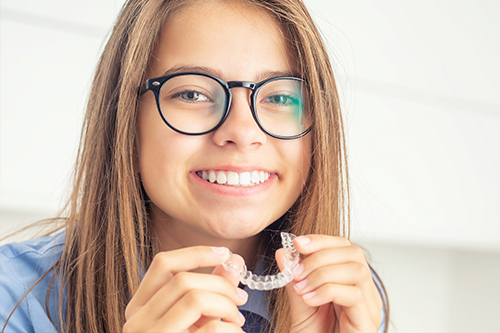
Each set of clear aligners is manufactured to precise tolerances so that force and fit follow the designed sequence. Comfort and function are considered at every step.

Your clinician will confirm fit, review care instructions, and schedule progress checks — ensuring you have guidance from start to finish.
Short video segments illustrate different stages and outcomes of clear aligner therapy for educational purposes.
*Invisalign® is a registered trademark of Align Technology, Inc.
Whether you’re considering minor alignment improvements or a more comprehensive plan, clear aligner therapy presents a discreet and evidence-driven option. If you’d like to learn more about how this approach could work for your smile, please contact us for more information and to schedule a consultation.
Invisalign® is a clear aligner system that straightens teeth using a series of custom-made, removable trays. Each aligner is designed to move teeth in small, controlled steps based on a clinician’s digital treatment plan. Because the trays are nearly invisible and removable, many patients prefer them for aesthetic and practical reasons.
Unlike traditional fixed braces, Invisalign® does not rely on brackets and wires to apply force to teeth. The system emphasizes predictable, staged movements informed by three-dimensional planning software. This design can simplify oral hygiene and reduce the visual impact of orthodontic care during treatment.
Predictable movement starts with a comprehensive digital scan or precise impressions that create a virtual model of your teeth. Advanced treatment-planning software uses that model to simulate each stage of movement and produces a sequence of aligners that apply targeted pressure where needed. Each aligner is worn for a defined interval before progressing to the next tray, allowing controlled, incremental adjustments.
Clinicians can refine the digital plan as treatment progresses to address bite relationships and complex motions such as rotations or translation. Small refinements and attachments are used when necessary to improve the aligner’s effectiveness. This combination of planning and monitoring helps keep outcomes aligned with clinical goals.
Good candidates for Invisalign® typically include adults and responsible teens who have mild to moderate alignment issues like spacing, crowding, and certain bite irregularities. Suitability depends on the specific tooth movements required and the patient’s willingness to wear aligners consistently for most of the day. A clinical evaluation and diagnostic records are necessary to determine if aligners are appropriate for an individual case.
Some complex orthodontic needs may require alternative or complementary treatments, and the clinician will explain those options during the consultation. Health factors such as active periodontal disease or certain medical conditions may need to be managed before starting aligner therapy. Clear communication about goals and expectations helps ensure the chosen approach matches both clinical requirements and the patient’s lifestyle.
During the initial consultation the clinician reviews your dental and medical history, assesses your bite and tooth alignment, and discusses your treatment goals. The appointment typically includes a digital scan or impressions to capture an accurate record of your current dental anatomy. The clinician will explain the proposed sequence of movement and outline what progress checks and follow-up visits will involve.
You will have an opportunity to ask about expected milestones, potential limitations, and practical aspects of wearing aligners. The clinician may show a treatment simulation that illustrates projected changes over time. This discussion helps set realistic expectations and establishes a plan for monitoring comfort and progress throughout therapy.
Digital planning provides a three-dimensional roadmap for tooth movement that helps clinicians visualize treatment stages before any aligners are fabricated. The simulation enables careful sequencing of forces, identification of challenging movements, and preemptive placement of attachments or auxiliaries when needed. Seeing a projected outcome also helps patients understand how their smile is expected to change over time.
Using precise scans and software reduces guesswork and supports consistent, reproducible manufacturing of aligners. It also streamlines communication between the clinician and the aligner manufacturer, which can shorten turnaround times and improve fit. Regular clinical reviews remain important to verify that the actual progress matches the digital plan and to make refinements if required.
Daily life with clear aligners typically requires wearing them for the majority of each day, removing them for eating, drinking (except water), and routine oral hygiene. Most patients find the trays comfortable, although mild pressure or soreness can occur for a day or two after switching to a new set. The removability of aligners makes brushing and flossing easier compared with fixed appliances, which helps maintain good oral health during treatment.
Cleaning aligners is straightforward: rinse after removal and gently brush with a soft toothbrush; avoid hot water and abrasive cleaners that can deform the material. Consistent wear is essential to keep the treatment on track, and clinicians provide guidance on timing, handling, and troubleshooting. Brief removal for special events is possible, but prolonged gaps in wear can delay planned movement.
Attachments are small, tooth-colored shapes bonded to selected teeth to help the aligner grip and apply forces more effectively. They are used when certain complex movements—such as rotations, extrusions, or root control—require additional mechanical leverage that the aligner alone may not provide. Attachments are planned during the digital treatment design and placed by the clinician when your aligners are fitted.
Because attachments are conservative and matched to tooth color, they are typically discreet and do not significantly affect appearance. They are removable at the end of treatment and do not damage tooth structure when placed and removed properly. The clinician will explain their purpose and what to expect if attachments are part of your plan.
While clear aligners can address many alignment issues, they may be less effective for certain severe bite problems, significant vertical corrections, or cases that require extensive tooth movement. In those situations, fixed appliances, surgical intervention, or combined approaches may be recommended to achieve the best functional outcome. A thorough diagnostic evaluation is essential to identify cases where aligners alone are not the optimal solution.
Patient compliance is another important consideration: because aligners are removable, inconsistent wear can compromise results and extend treatment time. The clinician will review realistic expectations and possible adjunctive therapies during the consultation so patients understand the likely path to success. Clear communication about limitations helps avoid surprises and supports better clinical outcomes.
If an aligner is lost or damaged, contact your clinician promptly so they can recommend the safest next step for your specific plan. In many cases, you may be advised to wear the previous set until a replacement is available or to advance to the next tray if movement has progressed sufficiently. The clinician will evaluate the situation and coordinate any necessary replacement to minimize disruption to the treatment sequence.
Keeping a protective case and a small supply of cleaning tools can reduce the risk of damage while traveling or at work. Avoid attempting to repair an aligner with household items, as improper fixes can alter fit and force application. Timely communication with your provider ensures the plan stays on track and reduces the chance of unintended movement.
Selecting a provider involves assessing clinical experience, familiarity with digital planning tools, and the office’s process for monitoring and refining treatment. Ask about the clinician’s training with clear aligner therapy, how they handle complex cases, and what technologies they use for scanning and simulation. A provider who emphasizes clear communication and scheduled progress checks is well positioned to deliver predictable outcomes.
If you prefer a local option, look for a practice with transparent diagnostic protocols and accessible follow-up care in Houston, Texas. At Janus Dentistry, our team combines digital planning with attentive clinical oversight to tailor aligner care to each patient’s needs and lifestyle. Bring questions to your consultation so you can compare approaches and confirm that the chosen plan aligns with your clinical goals and daily routines.