10680 Jones Rd, Ste 800, Houston, TX 77065

When a cavity or minor fracture threatens a tooth, today’s composite restorations offer a practical way to rebuild form and function without calling attention to the repair. Made from advanced resin materials, these tooth-colored fillings can be precisely matched to the shade and translucency of surrounding enamel, allowing the repaired tooth to blend seamlessly with your smile. The result is a restoration that performs like a traditional filling while preserving the appearance of your natural dentition.
Composite restorations bond chemically to the tooth, which helps stabilize fragile enamel and dentin and can reduce the need for extensive drilling. Because the material is placed in layers and cured incrementally, clinicians can shape and refine each restoration to restore proper contours and bite relationships. This approach supports chewing efficiency and minimizes food traps that could lead to future decay.
At Janus Dentistry, we emphasize conservative, evidence-based care that prioritizes preservation of healthy tooth structure. Composite fillings are a conservative option for treating small- to medium-sized cavities as well as for repairing chipped or worn edges, delivering reliable function with an aesthetically pleasing finish.
Tooth-colored composites are popular for a reason: they combine an attractive cosmetic outcome with strong clinical performance. Unlike metal restorations, composites avoid visible contrast and are free of metals and mercury, making them a suitable choice for patients seeking a discreet, modern restoration. Their color-matching ability also makes them particularly useful in the front teeth or other smile zones where appearance matters most.
Beyond aesthetics, composite bonding can preserve more healthy tissue than some traditional techniques. Because the material adheres to the tooth surface, less healthy tooth structure typically needs to be removed to achieve a secure restoration. That conservative approach helps maintain the long-term vitality of the tooth and may reduce the likelihood of needing more complex care later.
Composites also offer versatility. They can be used to rebuild worn enamel, close small gaps, or restore the biting surface of molars and premolars. With careful selection of shade and polish, a well-placed composite can be virtually indistinguishable from surrounding enamel, supporting both function and confidence in your smile.

When you come in for treatment, your clinician will first evaluate the extent of decay or damage with a visual exam and any necessary radiographs. If a filling is recommended, the procedure is typically completed in one visit. Local anesthesia is used as needed to ensure comfort during the removal of decayed tissue and the preparation of the tooth.
Once the area is cleaned and isolated, the composite resin is placed in thin increments. Each layer is sculpted to restore the tooth’s natural anatomy and then cured using a specialized light. This incremental technique helps control shrinkage and ensures a tight fit against the remaining tooth structure. After the final layer is placed, the restoration is carefully shaped and polished to achieve a smooth surface and proper bite alignment.
We make patient comfort and clear communication a priority throughout the appointment. Your clinician will explain each step, check your bite, and make any adjustments necessary to ensure the restoration feels and functions well. If you have concerns about anxiety or sensitivity, gentle options including topical anesthetic or oral sedation are available and can be discussed before treatment begins.
After a filling, it’s normal to feel mild sensitivity for a short period as the tooth adjusts to the new material and any nearby tissues recover from treatment. Avoid very hard or sticky foods for the first 24 hours if you notice any tenderness, and be mindful not to chew on nonfood objects that could stress the restoration. Any persistent pain or discomfort when biting should be reported so your clinician can evaluate the filling.
Good oral hygiene—brushing twice daily with fluoride toothpaste, flossing once a day, and keeping routine dental visits—plays a central role in preserving both the filling and the tooth around it. Because decay can develop at the margin between a filling and the natural tooth, regular professional cleanings and exams help catch issues early and protect your long-term oral health.
Nighttime grinding or clenching can place extra force on restorations. If you grind your teeth, consider mentioning it at your appointment; protective options such as a night guard can help shield restorations from excessive wear and prevent premature failure.

With attention to hygiene and routine dental care, composite fillings can provide many years of dependable service. Their lifespan depends on factors including the size and location of the restoration, your bite forces, and oral habits like grinding. Even well-placed restorations may eventually show signs of wear, discoloration, or marginal breakdown and will benefit from timely repair or replacement to prevent more extensive damage.
Watch for common indicators that a filling needs attention: persistent sensitivity, rough or sharp edges, visible cracks, or new staining around the margin. If you notice any of these changes, scheduling an evaluation allows your dental team to determine whether a simple adjustment or a replacement restoration is needed to protect the tooth.
At Janus Dentistry, we focus on monitoring restorations during regular checkups and using minimally invasive techniques whenever possible to maintain the health of your natural teeth. Regular follow-up helps extend the service life of fillings and supports predictable, stable results.
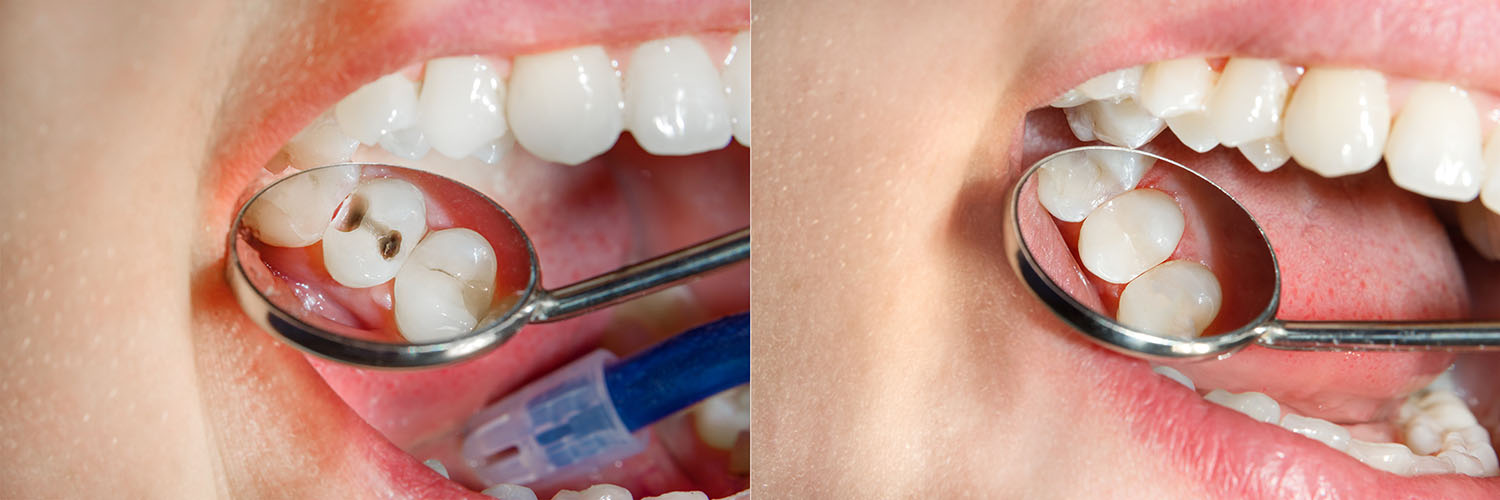
We aim to restore teeth in a way that preserves structure, restores comfortable function, and maintains a natural appearance. If you have questions about composite fillings, material choices, or whether a tooth-colored restoration is the right option for your needs, please contact us for more information.
Composite fillings are tooth-colored restorations made from a durable resin that is matched to the shade and translucency of your natural enamel. They bond chemically to the tooth structure, which helps stabilize fragile enamel and dentin and preserves more healthy tissue than some traditional techniques. Because the material is placed in thin layers and cured incrementally, clinicians can precisely shape the restoration to restore natural contours and proper bite relationships.
This layered approach minimizes shrinkage and improves the fit of the filling against the remaining tooth structure. Once polished, a well-placed composite filling can be virtually indistinguishable from surrounding enamel, supporting both function and appearance. Composite restorations are versatile and can repair cavities, small fractures, worn edges, and minor cosmetic defects.
Tooth-colored composites are popular because they provide an attractive cosmetic outcome without the visible contrast of metal. They avoid the use of metal alloys and can be precisely matched to the color and translucency of adjacent teeth, making them especially suitable for smile zones. In many cases, composites allow the clinician to remove less healthy tooth structure because the material bonds to the tooth surface.
This conservative approach helps preserve long-term tooth vitality and reduces the likelihood of needing more extensive care later. Composites can also be used to reshape worn enamel or close small gaps, offering both restorative and cosmetic benefits. Their versatility makes them a strong choice for many small- to medium-sized restorations.
Your visit will begin with a clinical evaluation and any necessary radiographs to determine the extent of decay or damage. Local anesthesia is used as needed to keep you comfortable while decayed tissue is removed and the tooth is prepared, and the tooth is isolated to maintain a dry field for bonding. The composite resin is then placed in thin increments, sculpted to restore natural anatomy, and cured with a specialized light to achieve a secure, durable bond.
After placement, the restoration is shaped and polished and your bite is checked to ensure comfortable function. We prioritize clear communication and will explain each step so you know what to expect and can raise any concerns. If you experience anxiety or are sensitive to treatment, options to enhance comfort can be discussed before the procedure begins at Janus Dentistry.
Mild sensitivity shortly after treatment is common as the tooth adjusts; this usually resolves within a few days to weeks. Avoid extremely hard or sticky foods for the first 24 hours if you experience tenderness, and be mindful not to use the restored tooth for opening packages or chewing nonfood items. If you feel persistent pain when biting or notice rough edges, contact your dental team so the restoration can be evaluated and adjusted.
Good daily oral hygiene—brushing twice a day with fluoride toothpaste and flossing once a day—helps protect the margins where decay can recur. Routine professional cleanings and exams allow your clinician to monitor restorations and address early signs of wear or marginal breakdown. Managing habits such as nail-biting, chewing ice, or chewing pens will also help extend the life of the filling.
The lifespan of a composite filling depends on factors such as the size and location of the restoration, your bite forces, and oral habits like grinding. With good oral hygiene and regular dental visits, composites can provide many years of dependable service, but they will eventually show signs of wear, staining, or marginal breakdown. When wear or recurrent decay is detected, timely repair or replacement helps protect the underlying tooth from more extensive damage.
Watch for indicators that a filling needs attention: new or persistent sensitivity, rough or sharp edges, visible cracks, or staining at the margin. Early evaluation allows the dentist to determine whether a simple adjustment, repair, or a replacement restoration is the best course. Proactive monitoring during routine checkups helps preserve tooth structure and maintain predictable results over time.
Composite materials have a long history of safe clinical use for patients of all ages and are commonly used in pediatric and adult dentistry. The tooth-colored resins do not contain metallic components, and the bonding technique supports conservation of healthy tooth structure, which is beneficial for growing teeth and permanent teeth alike. Dentists evaluate each patient's medical and dental history to ensure material choices and treatment approaches are appropriate.
For very young children or patients with special needs, the dentist will tailor behavior management and comfort options to make treatment safe and effective. If a patient has known allergies to specific dental materials, the dental team will select suitable alternatives. Regular preventive care and early treatment of decay help minimize the need for larger restorations later in life.
Composite fillings are ideal for small- to medium-sized cavities and for repairing chips or worn edges, but their effectiveness depends on the extent of tooth structure loss. For very large cavities or teeth with extensive damage, a direct composite may not provide adequate long-term strength or structural support. In those cases, the dentist may recommend indirect restorations such as inlays, onlays, or crowns to restore form and function more predictably.
The clinical decision is based on preserving as much healthy tooth as possible while ensuring the restoration can withstand chewing forces. When feasible, minimally invasive composite restorations are preferred to maintain tooth integrity. Your dentist will explain the pros and cons of each option and recommend a plan that balances conservation with durability.
Immediately after placement, you may notice a difference in bite feel while the restoration settles; the dentist will check and adjust occlusion to ensure proper bite alignment. Because composite bonds to the tooth, it can strengthen the remaining structure by distributing forces across the restored surface, but the overall strength also depends on how much natural tooth remains. Proper shaping and polishing reduce high spots and eliminate food traps that could cause discomfort or accelerated wear.
If you experience persistent biting discomfort after the adjustment period, schedule an evaluation so the restoration can be refined. Long-term strength is supported by good oral hygiene and by addressing habits such as clenching or biting hard objects. When indicated, protective options can be recommended to reduce stress on restorations and natural teeth.
Teeth grinding and clenching place extra force on restorations and can accelerate wear, fracture, or marginal breakdown of composite fillings. If you grind your teeth, your dentist will assess wear patterns and may recommend a protective appliance such as a night guard to cushion teeth and distribute forces more evenly. Addressing grinding can extend the life of restorations and reduce the risk of recurrent problems.
Managing contributory factors such as stress, sleep apnea, or certain medications may also help reduce grinding. Regular monitoring allows the dental team to detect early signs of wear and intervene before more extensive repair is needed. Combining protective appliances with routine dental care helps maintain both restorations and natural teeth over time.
The choice between a composite filling and an alternative restoration depends on the size and location of the defect, the condition of remaining tooth structure, functional demands, and esthetic considerations. The dentist evaluates radiographs, bite relationships, and the patient's oral health history to determine whether a direct composite will provide a durable, conservative outcome or if an indirect inlay, onlay, or crown is more appropriate. Preservation of healthy tissue is a guiding principle, balanced with the need for a long-lasting restoration.
During your consultation the dentist will review the benefits and limitations of each option and recommend a treatment plan tailored to your needs and goals. Follow-up care and monitoring are part of that plan to ensure predictable results and to address concerns promptly. If you have questions about material choices or the right restoration for a specific tooth, the dental team at Janus Dentistry will explain the assessment and next steps in clear, practical terms.